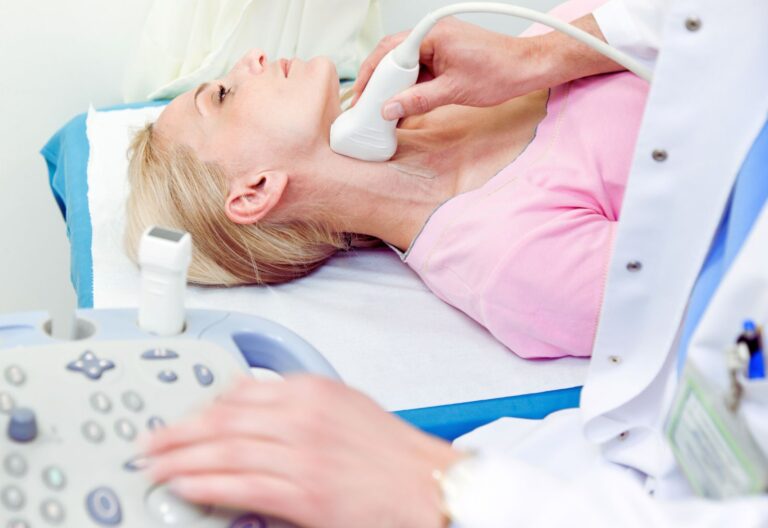
A stroke can happen to anyone, at any age. While strokes are more likely in adults over 50, there are rising cases of strokes in younger people. Knowing the common risk factors of a stroke helps you to be mindful of your lifestyle and work with your doctors to reduce your risk profile.
At Neurological Medicine PA, we help stroke patients every day to recover and regain their independence. We work with family, caretakers, and patients to help everyone understand stroke risk factors and what can be done for prevention and care moving forward.
Learn the common risk factors of a stroke and see if you should talk to your doctor about your health and lifestyle. Ask if consulting with a neurologist near you is the right move.
Note: Content on neuromedpa.com is not doctor’s advice and should not be taken as such. Always contact your primary care doctor for medical services, diagnosis, treatment, lifestyle adjustments, and more.
What is a Stroke
A stroke is a lack of blood supply to the brain, which causes brain cells to die. Strokes can happen due to a blockage that stops blood from getting to the brain (Ischaemic stroke) or a bleed in the brain (Haemorrhagic stroke).
Strokes may sometimes be referred to as Cerebrovascular Accident (CVA), or you may hear the term Transient ischaemic attack (TIA), which is a mini-stroke.
Identifying a Stroke
Knowing how to spot a stroke can save someone’s life. You want to BE FAST if you notice the signs of a stroke.
B- Balance or loss of coordination
E- Eyes, meaning blurry vision, double vision, or loss of vision in one or both eyes
F- Face, paralysis on one side; ask them to smile to spot a droopy face
A- Arms, weakness and inability to raise one or both arms
S- Speech, slurred or incomprehensible speaking
T- Time to call 911 if even one of these symptoms appears; make note of the exact time when speaking with medical personnel
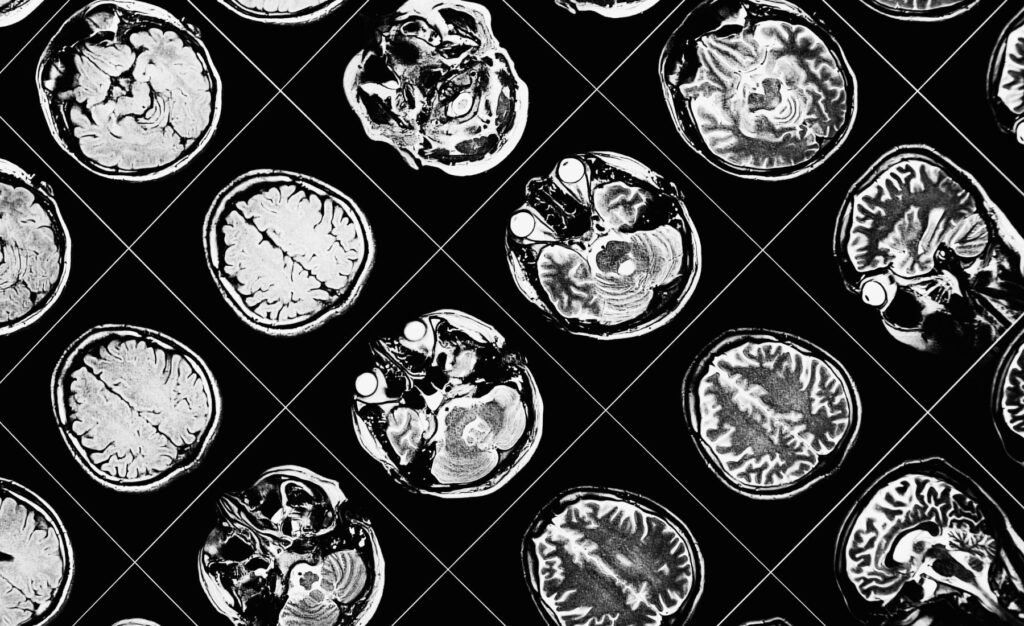
Common Risk Factors of a Stroke
Health Conditions
Health conditions are one of the main ways you know your risk factor for a stroke. Based on your medical history, you and your doctor can consult with a neurologist on managing conditions that put you at risk for a stroke. Being aware, taking preventive measures, and working closely with your neurologist for ongoing monitoring is critical.
Previous Stoke or TIA Event
Having previously had a stroke or TIA event puts you at risk for another stroke in the future. 1 in 4 people who suffer from a stroke have had a stroke previously. Prevention for previous stroke victims involves working closely with your neurologist to discuss lifestyle, health conditions, medications, and health monitoring.
High Blood Pressure
High blood pressure is the most controllable health condition related to stroke risk. When the blood pressure rises, it weakens the arteries, causing a rupture in the brain. It can also cause clots, creating a blockage. Your doctor can advise you on how to manage your blood pressure to prevent a stroke based on lifestyle and health factors.
High Cholesterol
Excess cholesterol can block off arteries, slowly filling them with fatty deposits that stops the flow of blood. This build-up happens over time, leading to a higher stroke risk with age or poor diet. Your doctor can consult on ways to reduce your cholesterol to lower your risk of stroke.
Heart Disease
Many heart diseases affect the arteries, leading to problems with weakness or blood clots. Your doctor will discuss how your heart disease or family history of heart disease may affect your risk of stroke later in life. Always ask about a consult with a neurologist if you’re worried about your heart health and stroke risk factors.
Diabetes
Diabetes causes a rise in cholesterol, blood pressure, and risk of blood clots, all major risks for a stroke. Diabetes management and monitoring is crucial to avoid secondary health conditions that are leading causes of a stroke.
Obesity
Obesity puts a strain on the body, making the circulatory system work overtime. This strains the arteries and blood vessels, leading to dangerous conditions that can cause a stroke. If you are at risk of a stroke due to obesity, monitoring cholesterol levels, diabetes, blood pressure, and sleep apnea is critical.
Sickle Cell Disease
An effect of sickle cell disease is hard, sticky blood cells that block off the blood vessels in the brain. This cuts off the oxygen supply, leading to a stroke. To reduce the risk of stroke due to sickle cell disease, patients may be advised by their doctor or neurologist to undergo ultrasounds, blood transfusions, or other medical therapies.
Covid-19
In some cases, it has been found that Covid-19 can affect the heart and arteries. The virus may weaken the arteries, leading to a rupture, or settle into existing plaque and make blockages worse. Patients who have tested positive for Covid-19 are advised to work closely with their doctor to monitor their heart health and discuss the risk of stroke.
Migraines
Migraines may raise the risk of stroke due to blood vessel spasms, inflammation, or cortical depressions from aura migraines. These symptoms cause a higher risk of blood clots forming. The risk is higher in women and in those taking hormones, like hormone contraceptives (the pill for birth control).
Sleep Apnea
Sleep apnea causes reduced blood flow to the brain, increasing the risk of a stroke. If you are worried about your health or possible sleep apnea, your doctor can advise on ways to monitor your sleep to help with a diagnosis and form a treatment plan.
Kidney Disease
With a direct link to vascular problems, kidney disease highly increases the risk of a stroke. There are concerns related to toxin build-ups, blood clots, blood pressure, inflammation, and more. If you are worried about a stroke due to kidney disease, discuss the risks and prevention methods with your doctor.
Genetics
Some risk factors for a stroke are out of your control and unrelated to medical history. This includes family medical history, age, sex, and race. It is important to be aware of risk factors for a stroke related to your genetics so you can properly discuss prevention with your doctor or neurologist. In some cases, you may require lifestyle changes or advanced health monitoring.
Family History
If a relative, especially a close relative like a parent, sibling, or child, has had a stroke, you are more likely to have a stroke yourself. The contributing factors include shared health genetics, like predisposed conditions, and shared lifestyle habits, like diet or exercise. Ask your relatives about their medical history to determine what you need to discuss with your doctor for stroke prevention.
Age
The risk of stroke is much higher in adults over 50. This is due to the build-up of bad habits that contribute to blood pressure and cholesterol, plus the higher likelihood of developing a health condition that contributes to stroke risk factors. However, people under the age of 50 are also at risk of a stroke. It is recommended to attend annual doctor visits to evaluate and monitor your health.
Sex
Women are more likely to have a stroke than men, and are more likely to die from a stroke than men. This is due to a variety of factors, including the longer average lifespan of a woman, pregnancy complications, migraines with auras, and exposure to hormones, like those in birth control. Prevention methods vary, so it is advised to speak with your doctor about options.
Race
Black and Hispanic ethnicities are more at risk of a stroke. A variety of predisposed health conditions and lifestyle factors contribute to the increased risk of stroke. Discussing prevention methods with a doctor can help pinpoint contributing factors.

Lifestyle
Lifestyle choices can greatly impact the risk of a stroke. Some lifestyle choices affect health, moving a patient from low-risk to high-risk. Changing simple daily items like physical activity, diet, smoking, drugs, and even stress can reduce the risk of a stroke. Always discuss major changes with your doctor.
Diet
Diet significantly impacts cholesterol levels, diabetes, blood pressure, and overall health. With a poor diet, patients are more likely to develop health conditions that put them at risk for a stroke. While a change in diet can be difficult, even small adjustments can contribute to better health.
Physical Activity
Physical activity, when consulted with your doctor, can be a very effective method of stroke prevention to reduce the risk of stroke due to lifestyle or controllable factors. Physical activity can reduce cholesterol, improve blood flow, reduce the risk of diabetes, and reduce inflammation. Ask your doctor what physical activity level can help if you’re concerned about the risk of stroke.
Alcohol
Binge drinking or high levels of alcohol consumption can increase risk of stroke. Alcohol raises blood pressure, damages blood vessels, causes irregular heartbeats, and interferes with blood clotting. Alcohol consumption may be advised in moderation or recommended sobriety to assist with stroke prevention.
Smoking
Smoking has severe negative health risks, including factors that contribute to risk of a stroke. It can damage blood vessels, increase risk of blood clots, and disrupt blood flow to the brain. Smoking can also cause plaque that blocks arteries. Quitting smoking can reduce risk of a stroke.
Drugs
Certain drugs, like cocaine and methamphetamines, can increase risk of a stroke. These drugs directly impact the cardiovascular system of the body. This impact can damage arteries, blood flow, and other factors that lead to stroke.
Hormones
Hormones, such as those found in oral contraceptives (the birth control pill) increase the risk of blood clots, which raises the risk of stroke. If taking hormones in any format, it is advised to speak to your doctor about the risks.
Stress
Linked to high blood pressure, high levels of ongoing stress put undue hardship on the body. Stress leads to high blood pressure, causing problems that raise the risk of a stroke. Stress should be managed so it does not affect the nervous system of the body. Your doctor may recommend lifestyle changes or stress-management tools like yoga, breathing, meditation, and other mindful exercises.

Consult with a Neurologist in Maryland on Stroke Risk and Prevention
The risk of a stroke is a terrifying medical reality that many need to deal with. With the right supportive, informed medical team, the risk of stroke can be carefully monitored and managed. The right medications, health care, and lifestyle changes can help keep the body healthy and functioning properly.
Neurological Medicine PA in Maryland has two offices to accept patients who want to discuss neurological conditions related to risk of stroke, stroke prevention, and stroke recovery. Find us in Greenbelt and Laurel, MD.
Neurological Medicine, P.A.
Neurological Medicine, P.A., provides comprehensive diagnostic and treatment services to patients with conditions affecting the brain, spinal cord, nerves, and muscles. We have been serving the Prince George’s and Montgomery County area since 1975, with two offices: Greenbelt and Laurel. We offer complete adult neurological care as well as in-office neurodiagnostic studies.
- Neurological Medicine, P.A.
- Neurological Medicine, P.A.
- Neurological Medicine, P.A.
- Neurological Medicine, P.A.