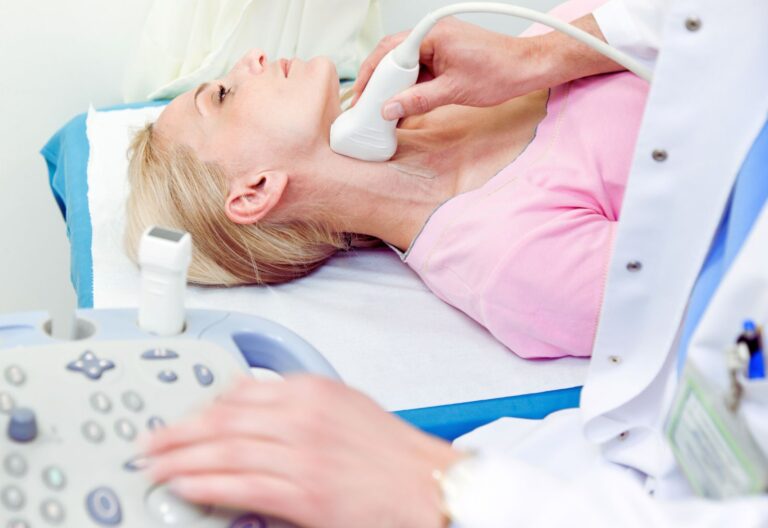
Carotid arteries are the arteries located in your neck and supply blood to your brain, face, and neck. People have four main carotid arteries, and if an issue occurs with one of them, you run the risk of several serious health issues. Most commonly, patients hear about carotid artery disease.
Carotid artery disease can be treated with surgical intervention or with other outpatient treatment options. The right treatment depends on health risks, the severity of the disease, and preexisting conditions. It can be overwhelming to hear about surgery options, medication recommendations, and lifestyle changes, and know which option is the right one.
Learn what carotid artery disease is and how you get it, the pros and cons of surgery, and what a second opinion could do for you if you’re debating carotid artery surgery.
Note: Content on neuromedpa.com is not doctor’s advice and should not be taken as such. Always contact your primary care doctor for medical services, diagnosis, treatment, lifestyle adjustments, and more.
What is Carotid Artery Disease
Carotid artery disease (also referred to as carotid artery stenosis) is a condition in which the artery’s open path for blood flow gets smaller due to plaque buildup inside it. Plaque often builds up based on what you eat and how your body processes it, along with any preexisting conditions you have. Fats, cholesterol, and other materials injure the inner lining of the arteries and gradually accumulate within the artery walls.
Factors such as high blood pressure, smoking, and elevated cholesterol levels can trigger this damage. In response, white blood cells move to the affected area and transform into “foam cells,” which create fatty streaks along the vessel walls. Over time, these streaks develop into hardened plaques that narrow the arteries and increase the risk of heart attack or stroke.
You can fix this plaque buildup with surgery, either endarterectomy or a stent placement. However, doctors and surgeons will often attempt to halt the progression of the plaque buildup in other ways unless an invasive procedure is necessary.

Carotid Artery Disease Surgery Options
Carotid artery surgery is discussed to help reduce the risk of stroke by restoring proper blood flow to the brain when one or both carotid arteries are significantly narrowed. The two main procedures are carotid endarterectomy and carotid artery stenting. Choosing endarterectomy vs stent placement depends on the severity of the blockage, symptoms, overall health, and surgical risk factors.
Carotid Endarterectomy (CEA)
This is the traditional and most common surgical treatment for carotid artery disease. The procedure is typically done under general or regional anesthesia and usually requires a short hospital stay, often 1–2 days, although this may vary.
- An incision in the neck over the carotid artery
- Temporary clamping of the artery
- Opening the artery and removing plaque buildup
- Repairing the artery with sutures or a patch
- Closing the incision
Carotid Artery Stenting (CAS)
This is a less invasive option for carotid artery disease treatment and may be recommended for patients who are at higher risk for open surgery.
- Inserting a catheter through the groin or wrist
- Guiding the catheter to the carotid artery
- Inflating a small balloon to widen the artery (angioplasty)
- Placing a metal mesh stent to keep the artery open
- Using a small filter device to catch debris during the procedure
- Most patients go home within 24 hours
After Surgery
Regardless of the procedure, surgery will require some after-care treatments and medication regimens.
- Continue taking antiplatelet medications
- Remain on cholesterol-lowering therapy
- Have follow-up imaging to monitor the artery
- Manage blood pressure and other risk factors

Pros of Surgery for Carotid Artery Disease
The main pro of surgery for carotid artery disease is the lowered risk of stroke. The surgery widens the “free flow” of blood in the artery, so there’s less of a risk of a stroke or a transient ischemic attack (TIA). This also improves blood flow to the brain, face, and neck, improving overall circulation.
Surgery for carotid artery disease is also known to have proven, long-term effectiveness for both symptomatic and asymptomatic patients. Not only will it reduce the risk of plaque-related complications, but it may also decrease dependence on emergency interventions.
Cons of Surgery for Carotid Artery Disease
Surgery may not be the best choice for patients with significant health risks due to other conditions. Surgery for carotid artery disease can actually introduce more risks vs providing relief. Patients with conditions like severe heart disease, advanced lung disease, uncontrolled medical conditions (high blood pressure, severe kidney disease, active infections, etc.), and even patients with clotting disorders may face higher anesthesia and surgical risk.
In cases where plaque blockage is 70% or higher, surgery is the answer. However, for both symptomatic (patients who have experienced a symptom related to the disease) and asymptomatic patients, if other medical treatments can halt the narrowing of the artery, that’s often the first line of defense.

Benefits of a Second Opinion on Carotid Artery Disease Surgery
A second opinion is almost always a good idea when it comes to medical treatment and surgery considerations. A second opinion can provide you with a comprehensive picture of the severity of your condition, the risks of surgery in your case, and options for treatment.
Talk to a second physician or a neurologist near you to:
- Confirm the percent blockage
- Ensure accurate imaging
- Compare the effectiveness of stenting via surgery vs. other treatment options
- Evaluate your standing as a surgery candidate
If you discover carotid artery surgery is the only option, it’s important to have a great rapport with your physician and surgeon. If you don’t have confidence or want a second opinion from someone with whom you feel more comfortable, that’s completely acceptable.
Other Treatment Options for Carotid Artery Disease
Carotid Artery Disease can often be managed without surgery, especially in mild to moderate cases or when a patient is asymptomatic. The primary goal of non-surgical treatment is to reduce the risk of stroke by preventing blood clots and slowing plaque buildup in the carotid arteries.
Non-surgical treatments typically involve a combination of prescription medications and careful management of underlying risk factors such as high blood pressure, high cholesterol, and diabetes. Regular monitoring with imaging and routine checkups also play an important role in tracking disease progression.
Lifestyle changes are equally important in preventing carotid artery disease from worsening. Quitting smoking, improving diet, exercising regularly, and maintaining a healthy weight can significantly reduce cardiovascular risk. When combined with proper medical therapy, these steps can help stabilize plaque and lower the likelihood of stroke without the need for surgical intervention.
Non-Surgical Treatment Options Include:
- Antiplatelet medications (such as aspirin or clopidogrel)
- Cholesterol-lowering medications (statins)
- Blood pressure control medications
- Diabetes management
- Quitting smoking
- Heart-healthy diet and regular exercise
- Routine monitoring with carotid ultrasound
Your Arteries. Your Health. Your Choice.
At Neurological Medicine PA, we’re committed to empowering patients to make the best decisions for their health. Carotid artery disease can feel scary when diagnosed, but you have options. A second opinion from our staff can help clarify the extent of the disease, what treatment options we would recommend, and how other risk factors play a role in treatment options.
If you’re worried about carotid artery surgery, call today to schedule an appointment to discuss your options.

Neurological Medicine, P.A.
Neurological Medicine, P.A., provides comprehensive diagnostic and treatment services to patients with conditions affecting the brain, spinal cord, nerves, and muscles. We have been serving the Prince George’s and Montgomery County area since 1975, with two offices: Greenbelt and Laurel. We offer complete adult neurological care as well as in-office neurodiagnostic studies.
- Neurological Medicine, P.A.
- Neurological Medicine, P.A.
- Neurological Medicine, P.A.
- Neurological Medicine, P.A.